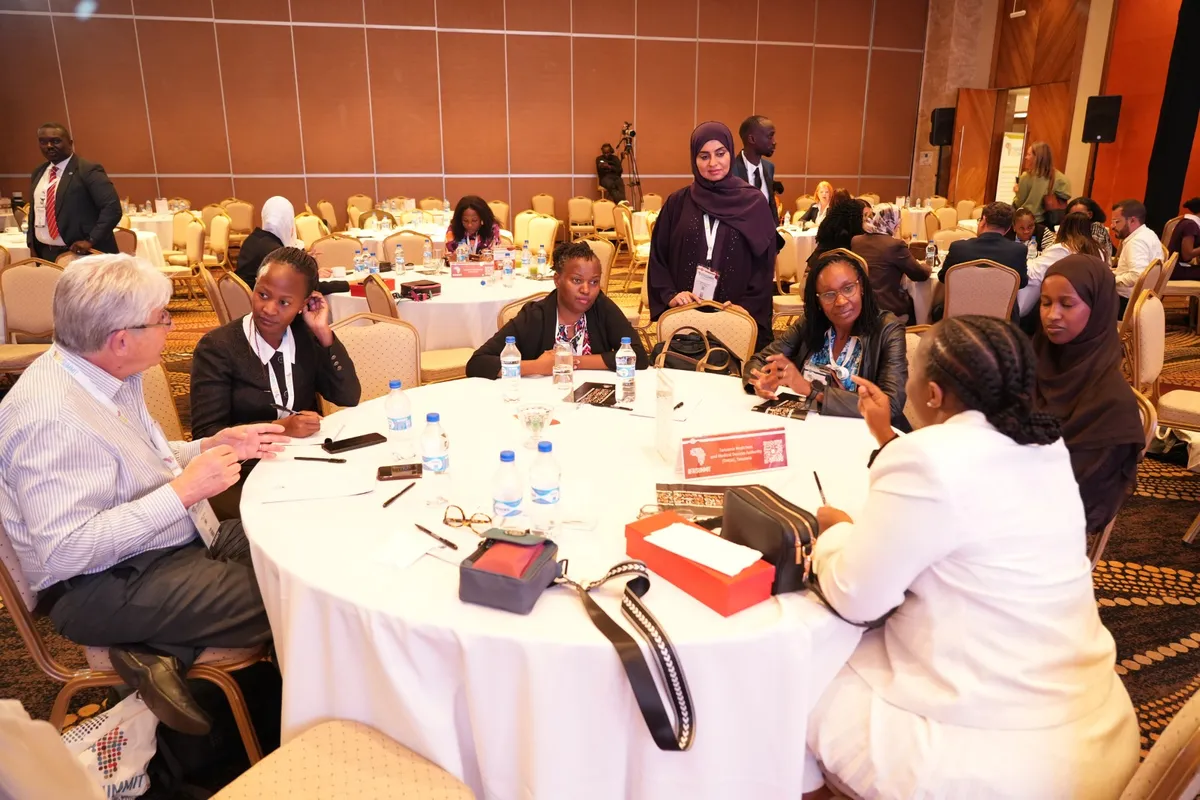
Reflections from AfriSummit 2026: Medical Device Regulation in Africa and the Way Forward

AfriSummit 2026 highlighted the need for African regulators to expand reliance mechanisms and traceability systems to improve access to safe, effective medical devices and IVDs. Although continental and regional initiatives are advancing harmonized assessments and mutual recognition, inconsistent guidelines, limited regulatory capacity, implementation costs and poor data interoperability remain significant barriers. Progress will require accessible guidance, structured capacity building, shared learning, and measurable indicators covering regulatory efficiency, market access and post-market safety—while keeping patient protection at the center of every decision.
Reflecting on AfriSummit, what stayed with me most was the call to action. There is a clear opportunity to strengthen medical device regulation in Africa through collaboration and reliance.
As we began, the analogy of the “empty chair,” shared by a regulator from MCAZ, was one that carried through the sessions. The chair belonged to the patient. It was a reminder that regulation exists to ensure that the devices and IVDs used on patients meet the required standards of quality, safety and performance. The patient remains at the centre of this mandate, even when they are not in the room where these decisions are made.
But protecting patients also means ensuring that they can access the medical technologies they need.
How do we maintain this responsibility while making regulatory processes more efficient?
Reliance: do the work once, trust it widely
Today, a manufacturer bringing the same device into several African countries often repeats the same work: similar dossiers, different requirements. For patients, this can mean waiting longer for essential technologies.
Reliance is the answer regulators kept returning to. It does not make regulators redundant. They keep responsibility for their own decisions, but they can draw on assessments from trusted authorities instead of repeating every step. For manufacturers, that means faster routes to market.
The momentum is real. The African Medicines Agency (AMA) sighted they were working towards a binding continental reliance agreement by the end of 2028, within its 2026 – 2035 framework. Regionally, the EAC-MRH is already building a Common Technical Document, a shared system for registration and mutual recognition of registrations.
Reflecting on the discussions on the backdrop of our ongoing regulatory landscape assessment, we note that only 26 of 44 countries that have regulations for medical devices and IVDs have published guidelines for the same. This points to a gap as without provisions on how to regulate these products, reliance will remain an aspiration.
The obstacles standing in the way are practical: lack of guidelines or provisions for reliance among some of the member countries, limited capacity within regulatory teams to manage regulatory submissions, share assessments reports, and follow up on products in the market. A reliance agreement does not remove these obstacles. It makes it more important to understand where the gaps lie and what is needed to address them including through structured capacity building mechanisms.
Trust must last beyond approval
Reliance runs on trust, and trust cannot stop at the registration date. If one regulator relies on another’s assessment, it still needs to see what happens to the device once it is in the market.
This is where track and trace came in. The Unique Device Identification (UDI) helps identify a medical device through a standardised identifier. Serialization and track-and-trace systems then capture and share that information along the supply chain, from manufacturer to distributor to hospital. With that trail, regulators and healthcare providers can answer three questions quickly: what is this device, where has it been and who was responsible, and can we verify, or recall it if something goes wrong?
The discussions at the summit highlighted the high initial costs of implementing traceability systems. Data quality and the ability of different systems to exchange information add to these challenges. Limited capacity can make implementation more difficult, and no single stakeholder can address these barriers alone. Traceability, like reliance, needs practical steps towards implementation.
What would make these proposals deliver value?
If reliance and traceability are to be more than commitments on paper, I think the sector should start with what already exists and learn openly from implementation. Making existing guidelines and registration pathways more accessible, while identifying where guidance is missing, would be a practical starting point. A shared knowledge hub could build on this by giving regulators a space to share implementation challenges, feedback on reliance pathways and lessons from what has and has not worked.
However, sharing information is only part of the picture. The value of reliance also needs to be measured. Tracking the number of applications processed through reliance, the time taken to reach regulatory decisions and the number of products that subsequently reach the market could help establish whether these pathways are improving regulatory efficiency and access. Post-market safety alerts, adverse events and recalls should also be monitored to understand whether appropriate oversight is being maintained.
Learning from these outcomes would help regulators identify where reliance is working, where implementation challenges remain and where further support is needed. It would also give manufacturers a clearer understanding of how reliance operates in practice.
Ultimately, the empty chair remains a reminder of why this work matters. The goal is not simply to register more devices or harmonize processes. It is to make safe, quality and well-performing medical devices and IVDs more accessible to the patients who need them, while maintaining the oversight needed to protect them.